

Straw Hat Sizing, Measurements, and Fit
Define the head opening, crown, brim, size range, and tolerance before sampling.
- ✓ Fixed, adjustable, graded, and children’s sizes
- ✓ Head opening, crown, brim, and sweatband measured
- ✓ Size chart and individual tolerances defined

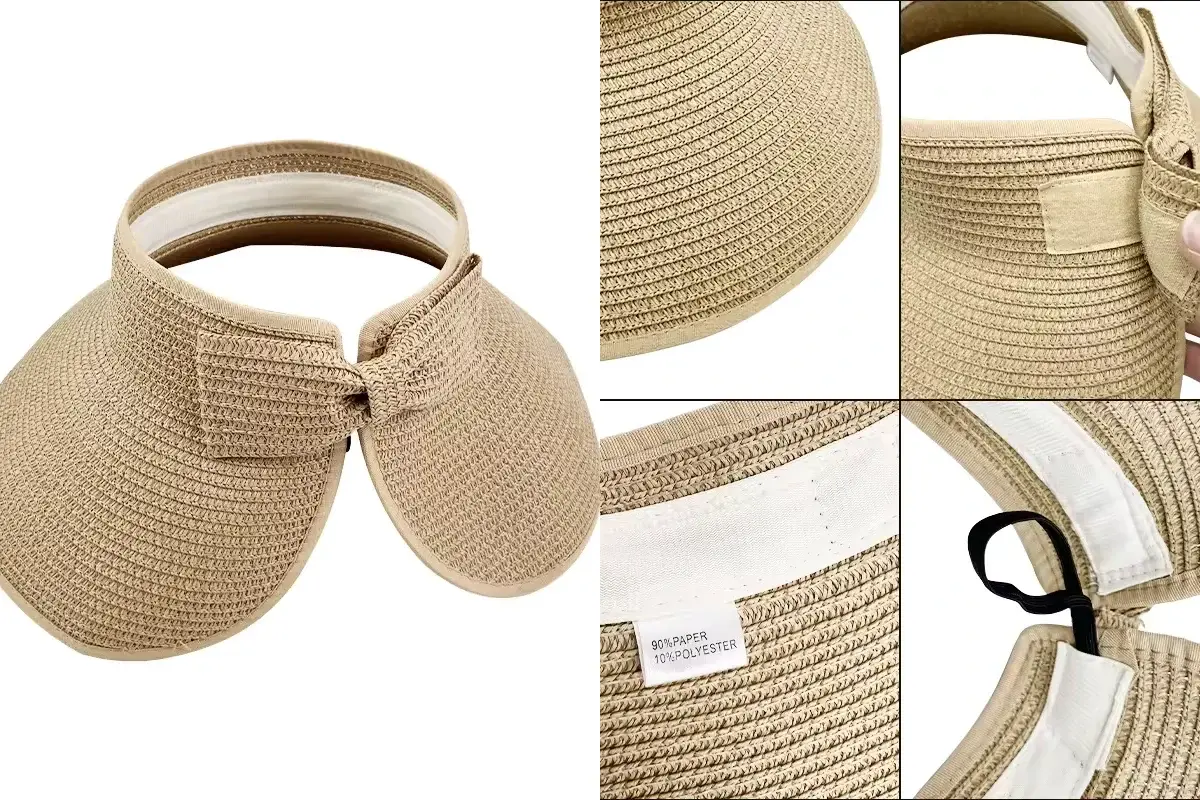
Set the Measurement Standard
Head size, finished inside circumference, and retail size are different. Define the value, measuring point, and hat condition.
- Head fit: Measure around the intended wearing line and identify the wearer group
- Finished hat: Record the inside circumference, opening, crown, top, and sweatband
- Brim and tolerance: Define front, side, and back widths with an allowed tolerance
Choose Your Sizing Program
Match the size structure to the wearer, sales channel, and hat construction.
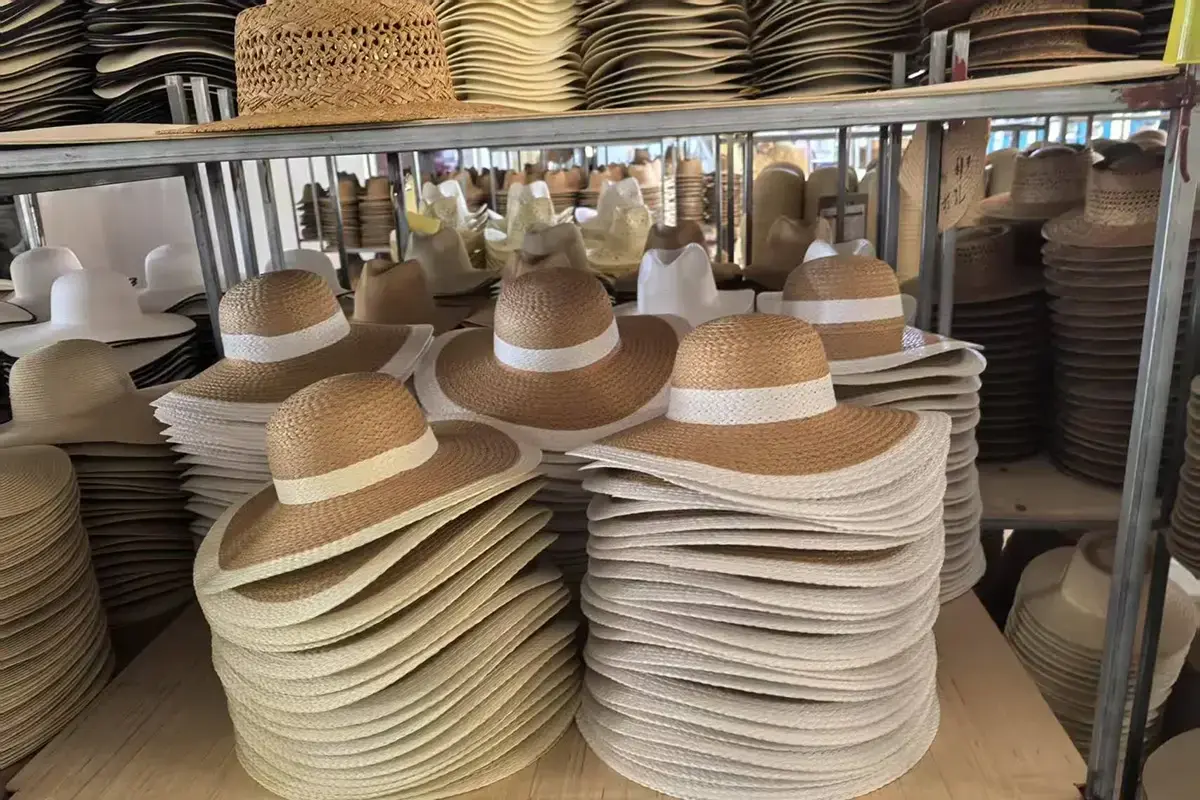
1. Fixed Sizes
Create one finished specification for each labeled size.
- Best for: Clearly separated centimeter or S/M/L sizes
- Define: Inside circumference, opening, crown, brim, sweatband, and label
- Approve: Fit sample and tolerance for every required size
2. Adjustable Ranges
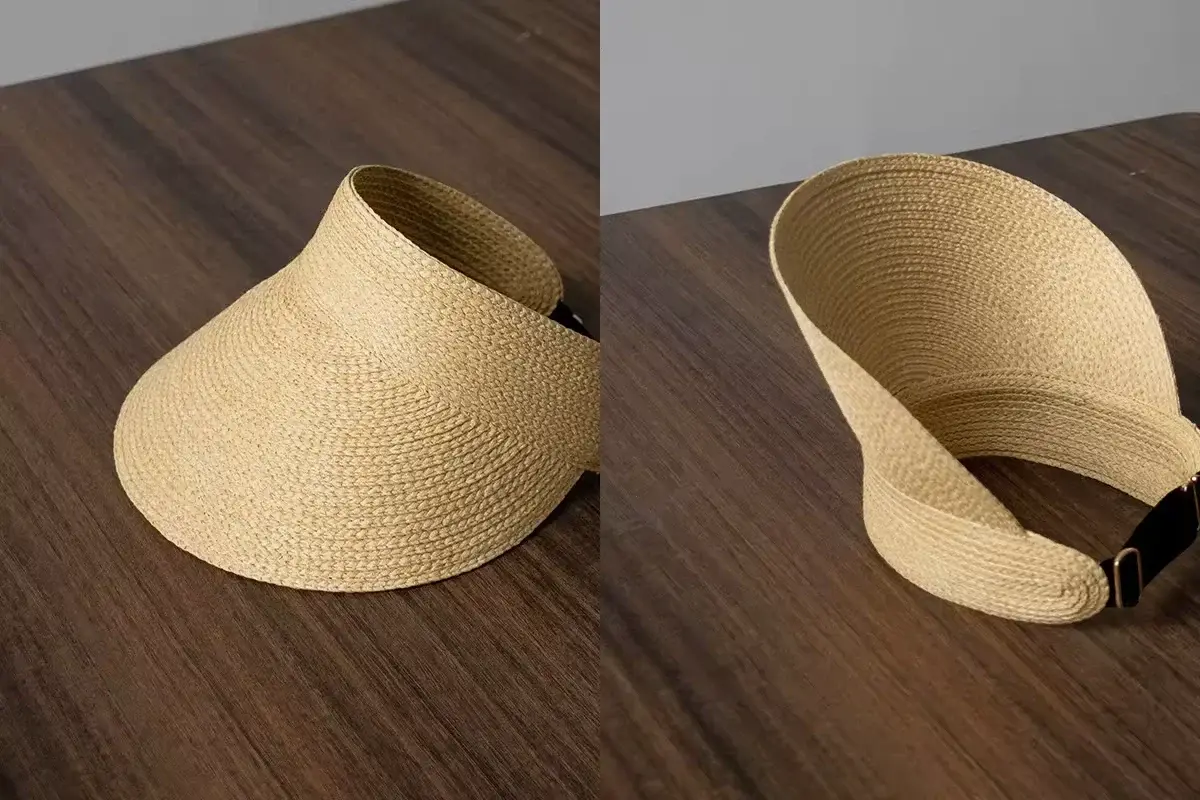
Cover a defined range with an approved adjustment method.
- Examples: 56–58 cm or 58–60 cm, verified on the finished hat
- Define: Base size, minimum, maximum, adjustment, and sweatband
- Approve: Comfort and fit at both ends of the range
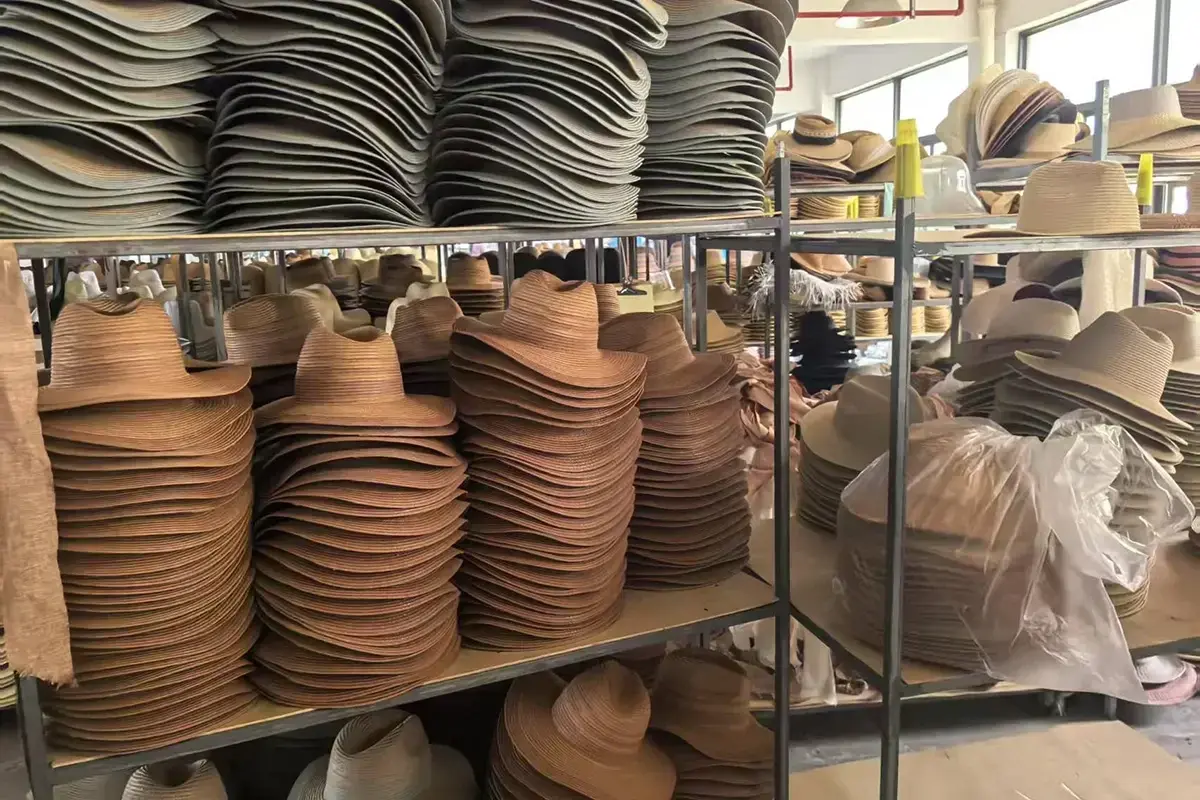
3. Multi-Size Grading
Use a base size and controlled changes rather than scaling every dimension at once.
- Grade: Opening, crown, brim, and trim placement where needed
- Record: Base size and the change between each size
- Check: Smallest and largest sizes before locking the chart
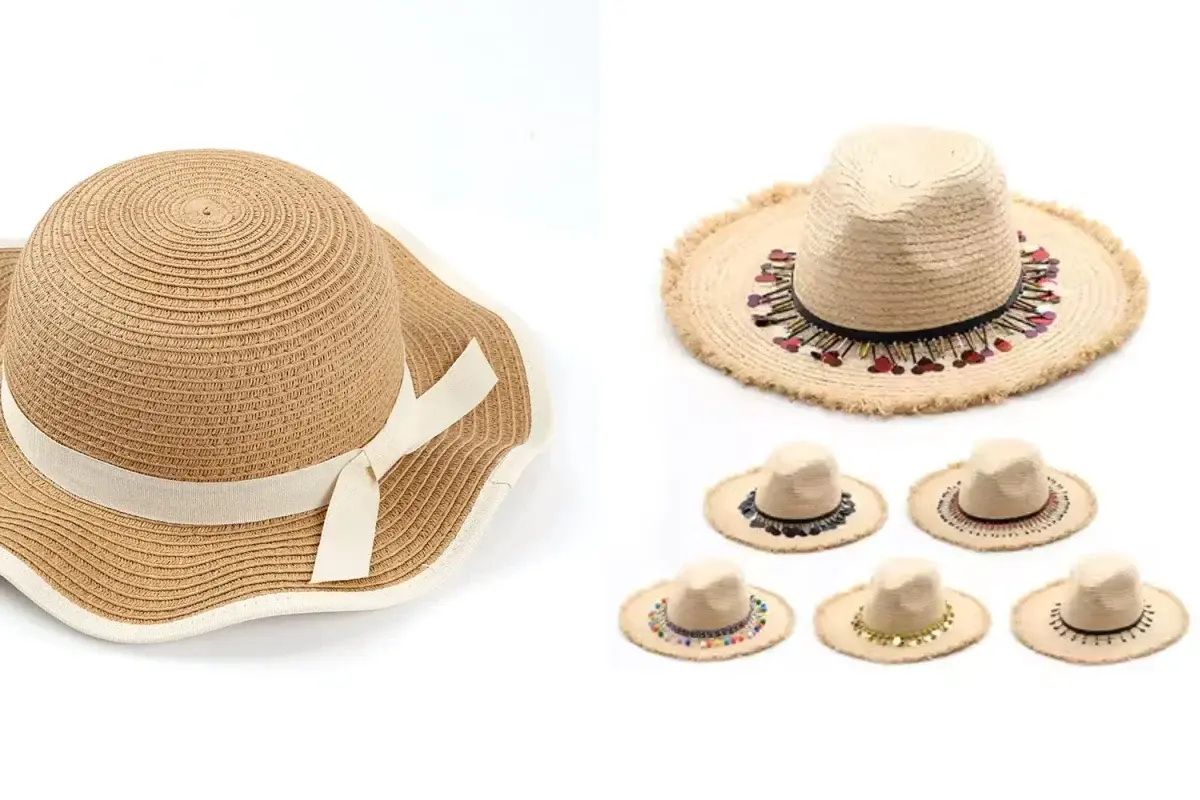
4. Children’s and Wearer-Specific Sizes
Build the size chart from actual wearer measurements and market needs, not age alone.
- Define: Wearer group, circumference range, crown, brim, and adjustment
- Check: Sweatband, cords, hardware, and labels against buyer requirements
- Approve: Relevant fit samples and the final size chart. See Custom Kids Straw Hats for child-scale product choices
Keep One Standard from Sample to Inspection
Use the same reference points, tools, final components, and hat condition every time.
Size Chart
Record each size label, inside circumference, crown, brim, sweatband, adjustment, quantity, and measuring method.
Finished Sample
Measure the complete hat, then check fit, proportion, wearer contact, and condition after unpacking.
Tolerance and Inspection
Set tolerances and inspection methods for each key measurement, using the approved sample as reference.
Start Your Size Review
Send the hat style, wearer, size range, crown and brim dimensions, sweatband or adjustment, quantities, destination, and target date.
Send Your Size BriefFrequently Asked Questions
Key points to confirm before sampling.